PREVIOUS ARTICLE
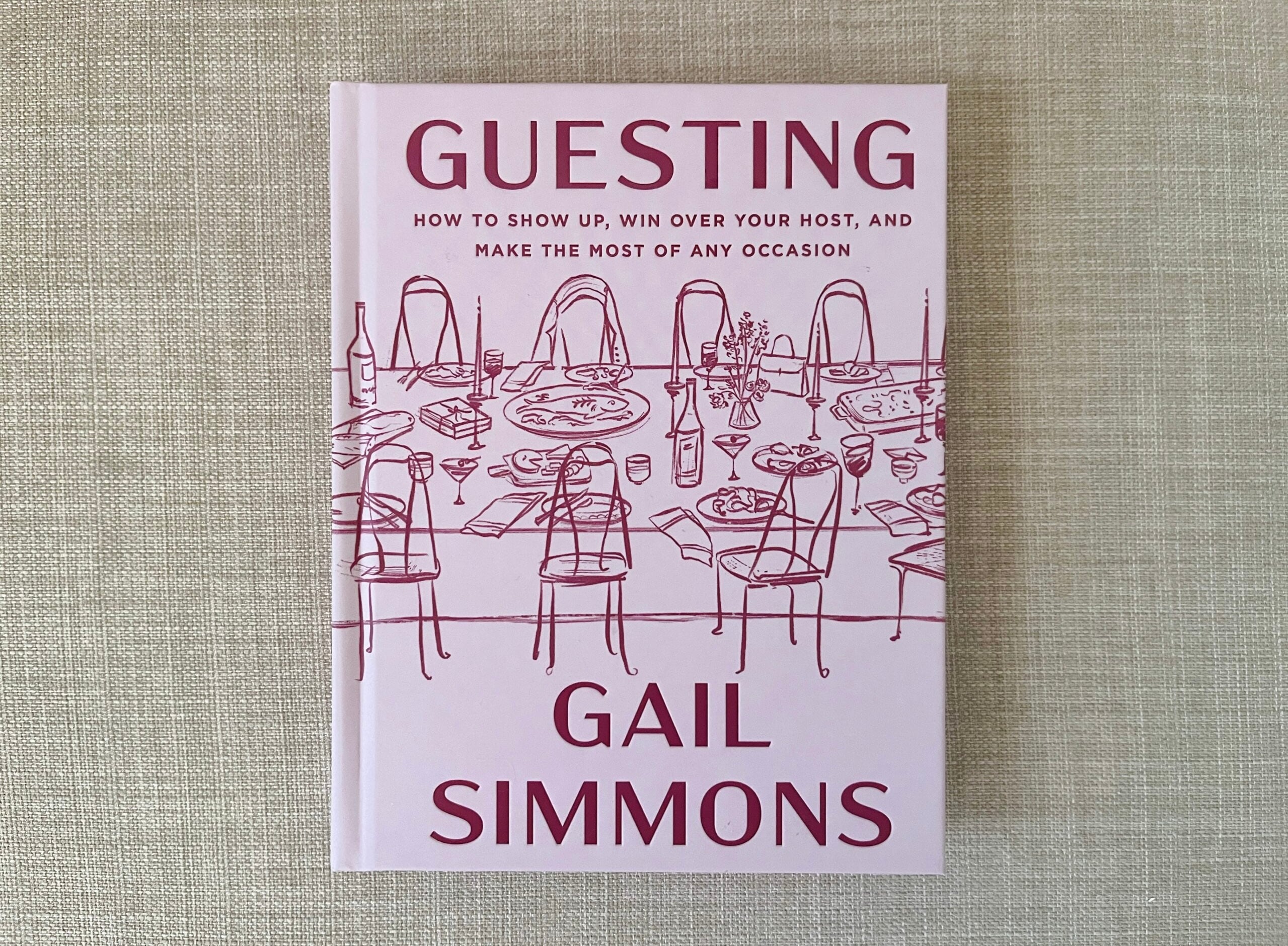
You know when your friend does something incredible and you just have to tell everyone about it? That’s how I feel about Guesting, the new book by Gail Simmons.
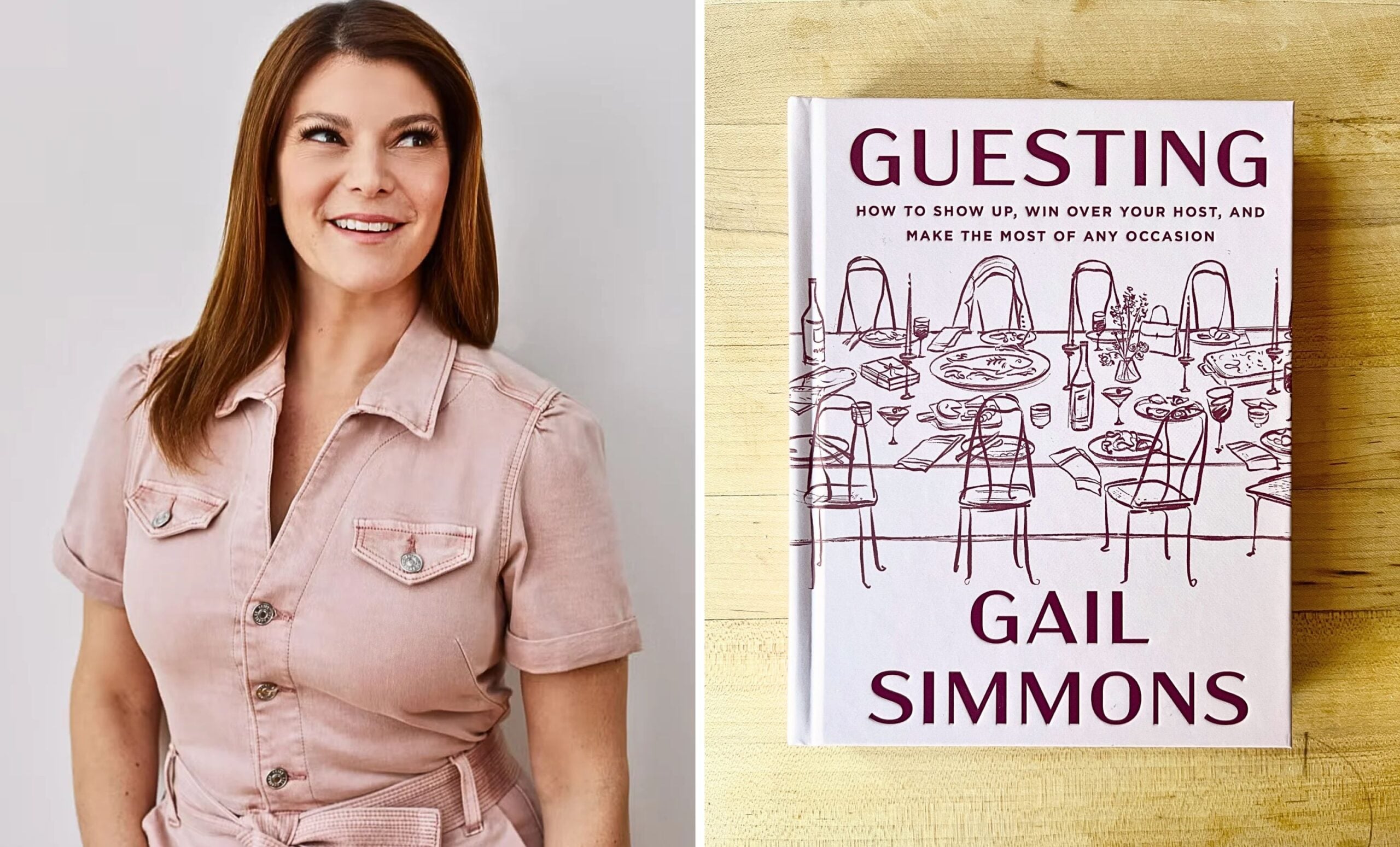
You probably know Gail as a judge on Top Chef, where she’s been a fan-favorite for over 20 seasons. Of all the gin joints in all the towns in all the world, Gail and I met at a White House Christmas party (years ago, don’t worry), and since then I’ve watched her in action as one of the most generous people I know. Gail really cares about the friends in her life, and more importantly, she really shows up for them.
So, could there be a better person to write the definitive guide to being a great guest? I’ll tell you: There could not. I consider myself a pretty good guest, and I still came away from this book with so many lessons and perspective shifts that I’ll carry with me. (And a very delicious new recipe I can’t stop making, which I’ll share below.)
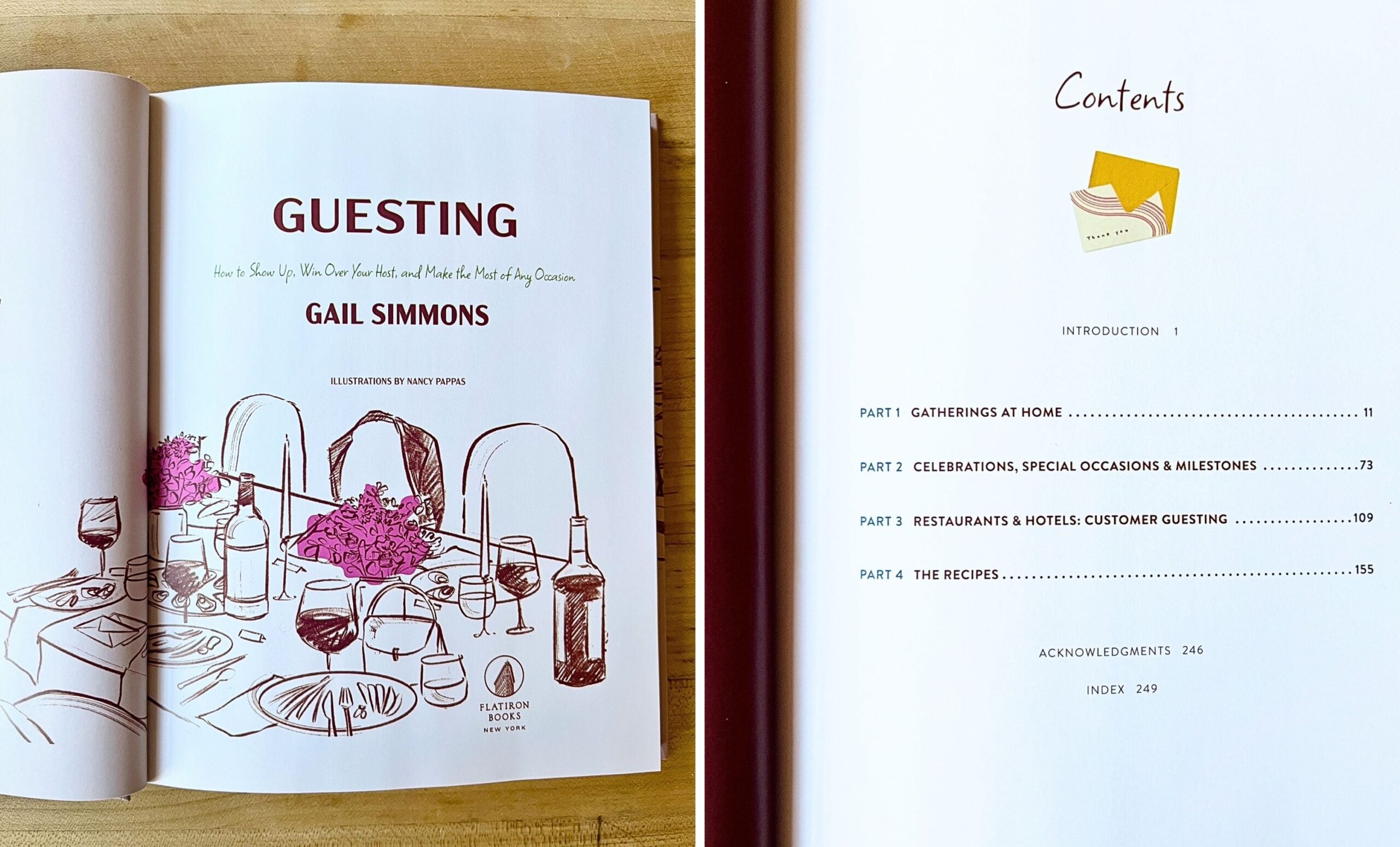
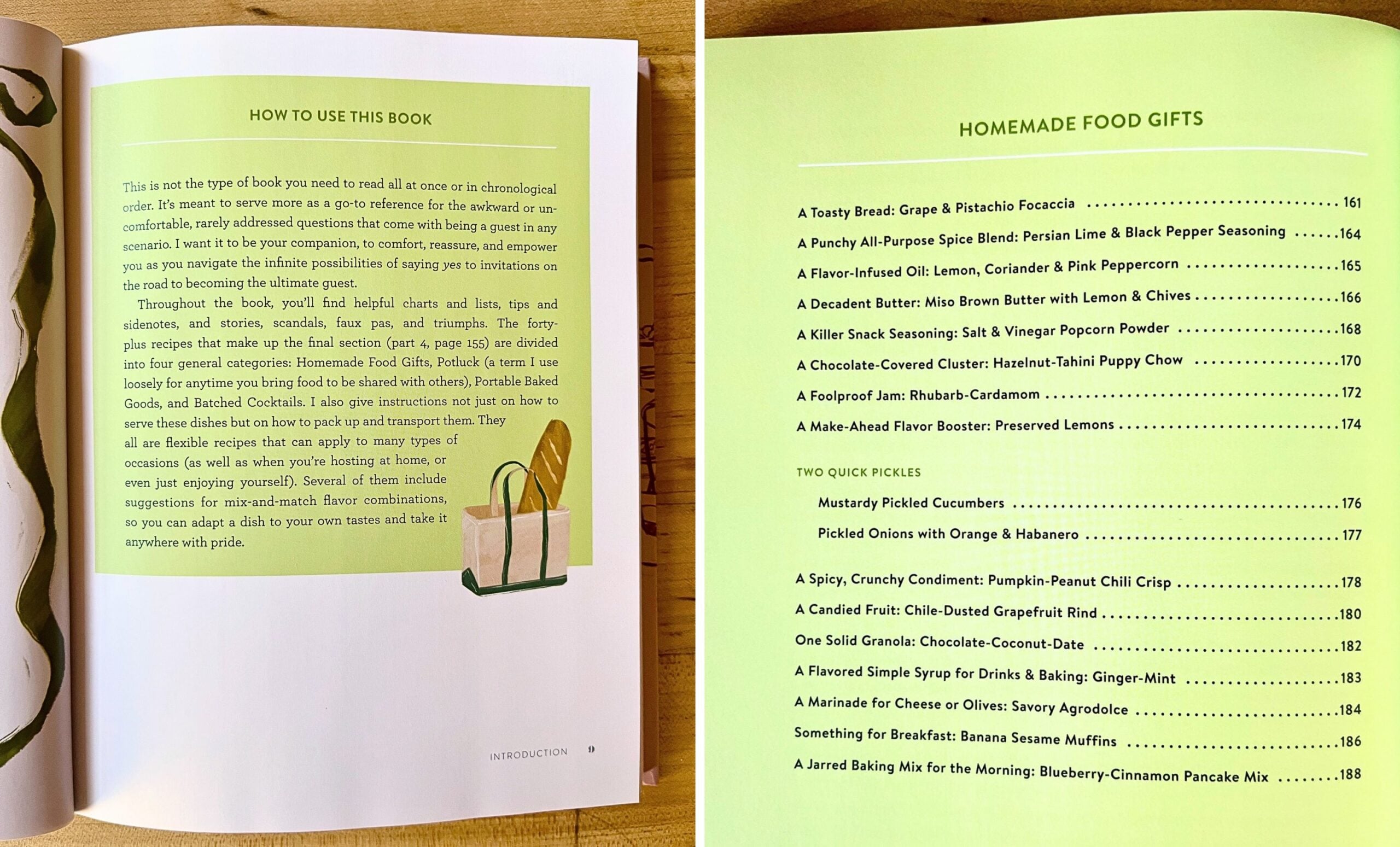
To be clear, Guesting is not an etiquette book — there’s not a musty whiff of elitist, outdated, and culturally inflexible rules. Rather, this is a thoughtful, funny, incredibly useful guide to navigating occasions from dinner parties and weddings to restaurants and hotel stays. It helps smooth the anxiety in all kinds of social situations and reminds us that being a good guest really boils down to being a good friend. There are also 40 recipes for things like homemade food gifts, potluck dishes, snacking boards, and batch cocktails, including an Ultimate Scorpion Punch that has my full attention.
It’s an evergreen guide, but with the holidays — or what I like to call “gathering season” — upon us, I think we could all use a little refresher on what it means to be a good guest. Here are the five lessons I’m keeping with me:
1. Saying yes to an invitation is good for you.
I am the king of RSVP-ing yes to everything and then looking at my calendar and wondering what on earth I’ve done to myself. But Gail makes a compelling case for following through on those plans, even when the couch is calling your name.
After years of pandemic isolation, it’s become easier than ever to just stay home. But Gail argues that we’ve gotten a little too comfortable turning down opportunities to connect. She points to the growing conversation around loneliness and its impact on our mental and physical health, reminding us that community isn’t just a nice bonus in life. It’s something we actually need to thrive.
I found this such a helpful shift in perspective. Instead of thinking of an invitation as another obligation on the calendar, look at it as an opportunity to deepen a friendship, meet someone new, or have an experience you wouldn’t otherwise have had. Next time you’re tempted to cancel plans because you don’t feel like it, that little mental flip might give you the push you need to get out the door.
2. Be additive.
Gail opens with the 13 Tenets of Guesting, which she returns to throughout the book. They’re all fantastic, but one in particular stopped me in my tracks: Be additive.
It’s such a crystal-clear way to describe something I’ve always loved in other people but never quite knew how to articulate. When you walk into someone’s home, your goal is definitely to have a good time. But your bigger goal is to contribute something positive to the experience.
Sometimes that means bringing a bottle of wine or offering to help clear the table. Other times it means recognizing your host has everything under control and the most helpful thing you can do is mingle like your life depends on it.
What struck me is how useful this idea is outside the world of dinner parties. What if we all approached our friendships and communities by asking ourselves how we could be additive? It’s such a simple idea, but I actually think it could change the way we show up for one another.
3. The best party guests notice the person standing alone.
We’ve all experienced the nightmare of walking into a party where you barely know anyone, everyone seems to be having a wonderful time, and you have no choice but to be extremely interested in the cheese board.
Gail says she, too, feels anxious about walking into a room full of strangers, but her solution is perfect: Look around for someone else who might be feeling the same way. And if you’re lucky enough to know plenty of people at the party, make an effort to include someone who doesn’t. You might make a new friend and, at the very least, make someone’s evening a little less uncomfortable.
It’s such a generous way to approach socializing — taking the focus off yourself and putting that energy into someone else’s experience. I can’t think of a better gift to the host, who already put so much effort into bringing everyone together.
4. It’s never too late to say thank you.
We all know we’re supposed to thank someone for having us over, but sometimes that little gesture slips our mind. Gail makes a beautiful case for thinking of gratitude as something that extends beyond the obligatory text on your way home.
Did you mean to send a thank-you note? Send it now. Are you still smiling about how much you enjoyed someone’s dinner party three weeks later? Tell them! Do you see something in a store that reminds you of a conversation you had with the host? Grab it for them.
I love this advice because it takes the pressure off getting everything exactly right in the moment. Gratitude isn’t a box to check off on the to-do list of life; it’s an ongoing act of letting people know they matter to you.
5. Have a signature host gift.
This might be my favorite idea in the whole book, and the story behind it is fantastic. When Gail worked for Jeffrey Steingarten, a legendary food critic at Vogue, he had a funny habit: Whenever he discovered an olive oil he liked, he’d buy an entire case and keep the bottles under his desk. That way, when he was invited to someone’s home, he could grab one on his way out the door. One less thing to worry about.
I’m obsessed with the idea of a signature gift. It doesn’t have to be fancy or expensive. Maybe it’s a chocolate bar you discovered at the grocery store, a fun condiment from a shoppy shop, or a type of wine you enjoyed at a restaurant. Find something you’re genuinely excited to share and keep a stash on hand. It’s also a reminder that a host gift can just be a little piece of yourself.
If you’re looking for a new signature gift, Gail has a pretty irresistible suggestion: her Hazelnut-Tahini Puppy Chow. It’s a slightly more sophisticated twist on the nostalgic treat we adored as kids — made with dark chocolate, tahini, and toasted hazelnuts. Put it in a cute jar or bag, and you’ve got an edible gift anyone would be thrilled to receive.
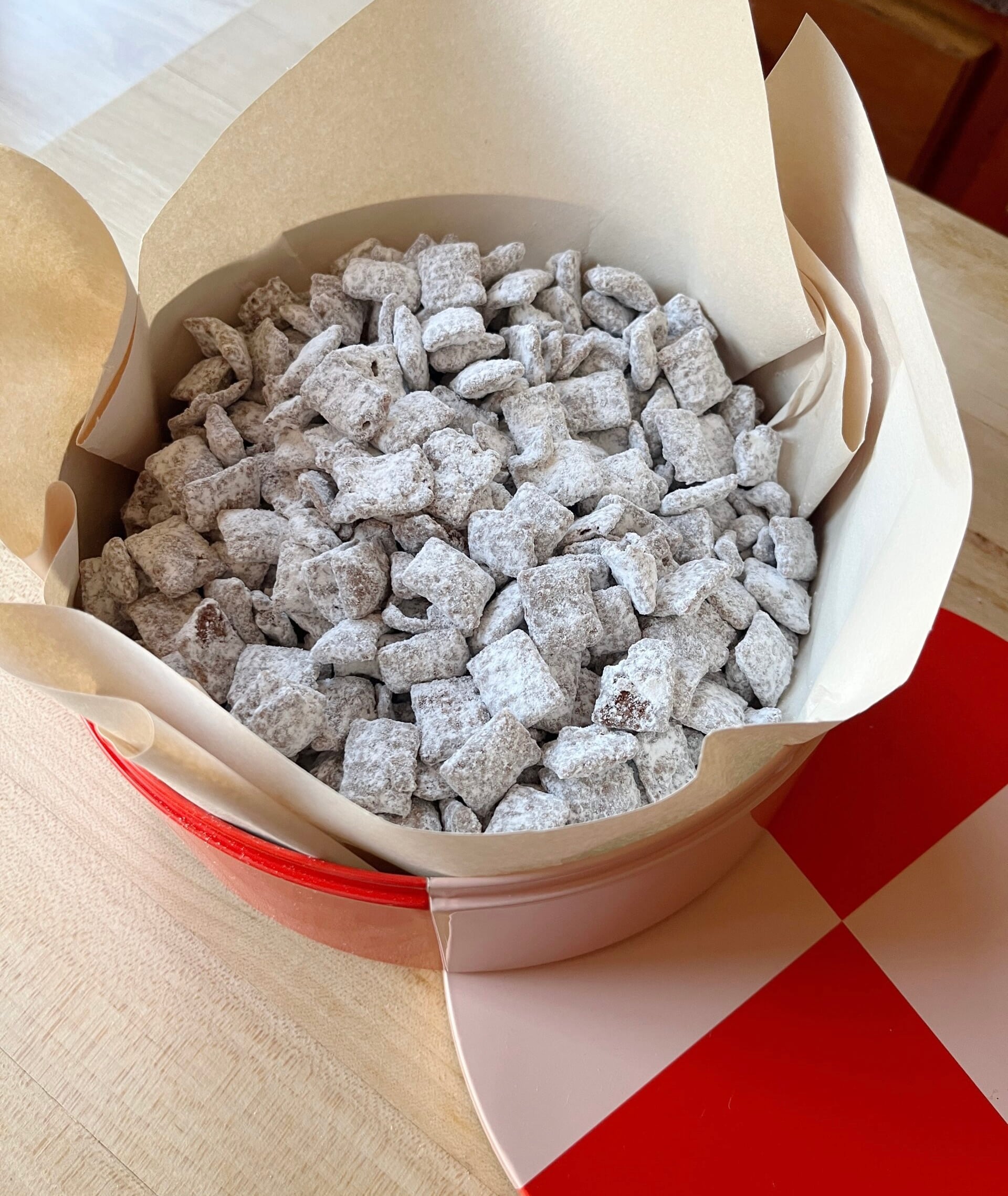
Here’s how to make it:
Gail’s Hazelnut-Tahini Puppy Chow
10 servings
6 ounces semisweet chocolate, roughly chopped
1/2 cup tahini
4 tablespoons (1/2 stick) unsalted butter
10 ounces (about 11 cups) corn puff cereal (such as Gorilla Munch) or crunchy rice or corn squares (such as Chex)
1 cup hazelnuts, toasted, skins removed, and roughly chopped
2 cups powdered sugar, divided
In a small microwave-safe bowl, combine the chocolate, tahini, and butter and microwave in 30-second increments, stirring after each one, until the chocolate and butter are melted and the mixture is smooth.
Add the cereal to a large bowl. Pour the chocolate mixture over it and gently stir until evenly coated. Fold in the hazelnuts.
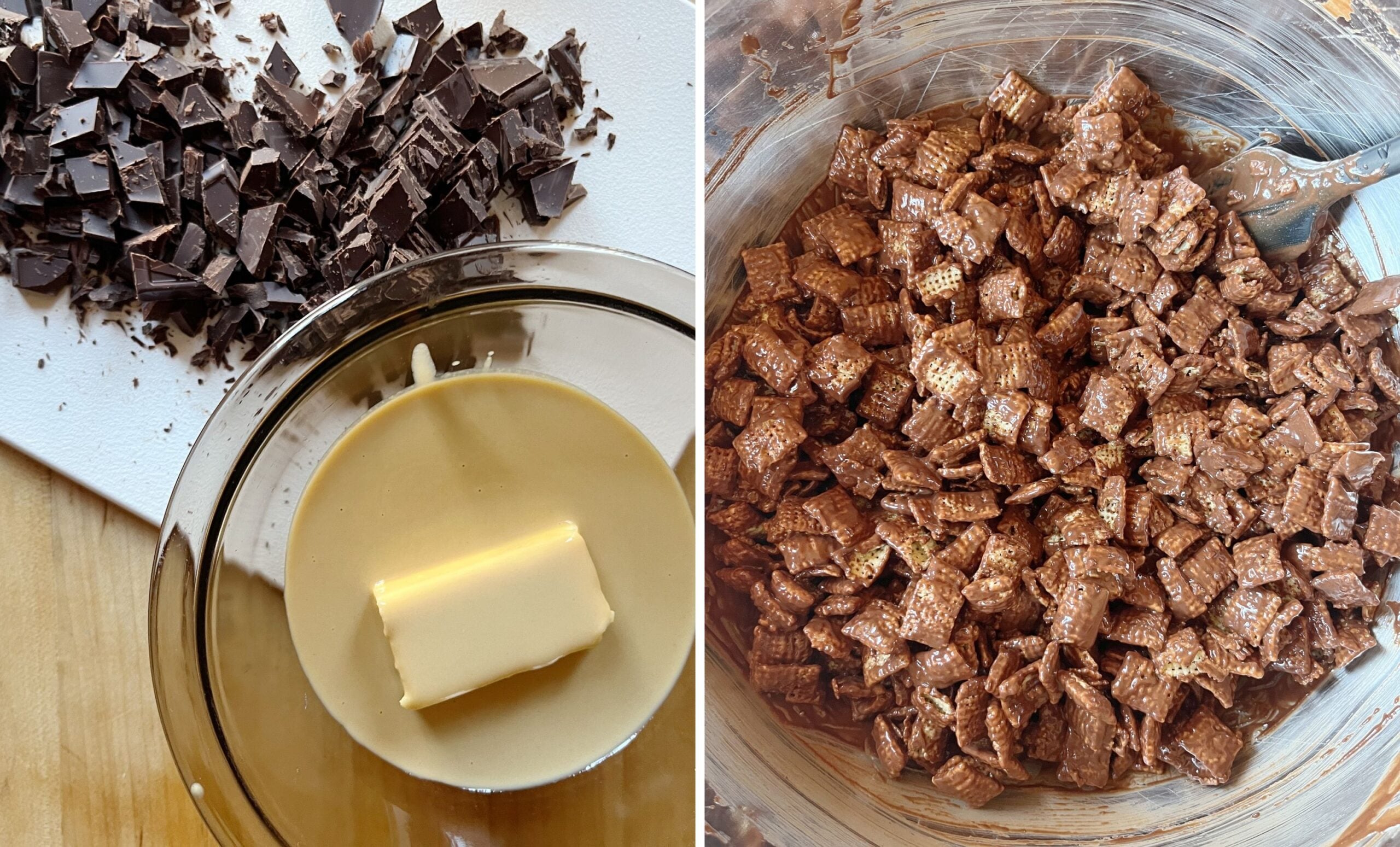
To a large resealable plastic bag, add one cup of the powdered sugar and half of the cereal mixture, seal tightly, and shake until the cereal is completely coated with a thin layer of powdered sugar. Empty the mixture into a large bowl and repeat with the remaining one cup powdered sugar and remaining cereal mixture. (Discard any remaining powdered sugar.)
To maintain freshness and prevent melting, store the mix in an airtight container or resealable plastic bag in the refrigerator for up to four days. The mixture freezes well for up to three months (and it’s even crunchier and more fun to eat when frozen, so I often just store it in the freezer).
To gift, pack it into a large tin. Just make sure the recipient knows to store it in the fridge or freezer so the coating doesn’t melt.
Now let’s get out there and make Gail proud! And I’d love to hear, what’s your go-to guesting strategy?
Casey Elsass is a food writer, recipe developer, and cookbook author based in Brooklyn. He is the author of the bestselling cookbook What Can I Bring?: Recipes to Help You Live Your Guest Life and has co-authored more than 30 cookbooks. His writing has appeared in publications including The New York Times, New York Magazine, Bon Appétit, NPR, Food52, and, of course, Cup of Jo.
P.S. Are you a party host or enthusiastic guest?
(Recipe reprinted with permission from Guesting: How to Show Up, Win Over Your Host, and Make the Most of Any Occasion by Gail Simmons and published by Flatiron Books.)
 99 COMMENTS